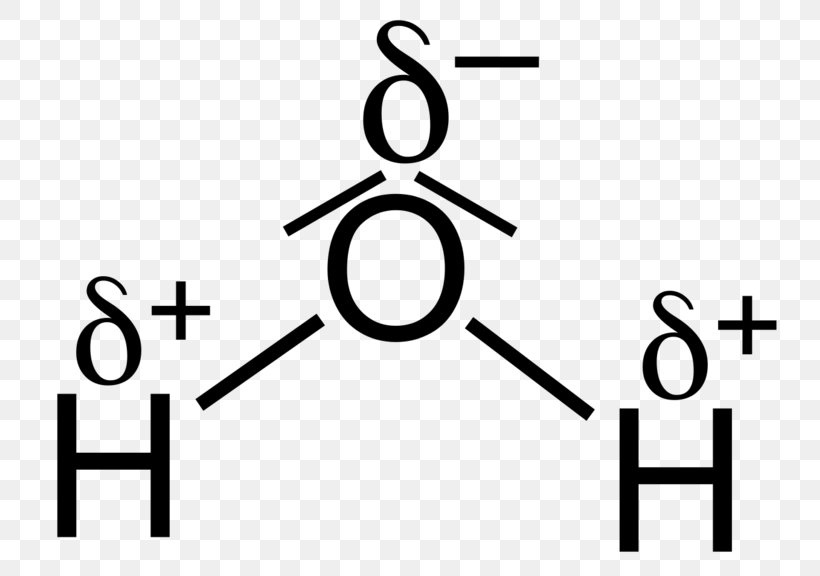
Structuring water using sound is a fascinating and emerging field of research that explores the use of sound waves to influence the molecular structure of water. The idea behind this approach is that by applying specific frequencies and patterns of sound to water, it is possible to alter its molecular arrangement, thereby changing its physical and chemical properties.
At the heart of this technique is the concept of resonance, which is the tendency of an object to vibrate at a specific frequency when exposed to a stimulus. In the case of water, this means that by exposing it to sound waves of a certain frequency and intensity, it is possible to induce resonance within the water molecules, causing them to vibrate and rearrange themselves in a specific pattern.
There are several ways in which sound can be used to structure water. One approach involves the use of ultrasound, which involves the application of high-frequency sound waves to a liquid. When ultrasound is applied to water, it can create areas of high and low pressure within the liquid, which can cause the water molecules to vibrate and rearrange themselves in a specific pattern.
Another approach involves the use of cymatics, which is the study of visible sound and vibration patterns. Cymatics involves the use of a plate or other flat surface covered in a thin layer of water, which is then exposed to specific frequencies of sound. As the sound waves pass through the water, they create patterns of vibration that can be seen as geometric shapes on the surface of the water. These patterns can be used to structure the water in a specific way, influencing its properties and behavior.
The potential applications of structured water are vast and varied. Some researchers have suggested that structured water may have therapeutic benefits, such as enhancing the body’s natural healing processes or improving digestion and nutrient absorption. Others have proposed that structured water may have industrial applications, such as improving the efficiency of chemical reactions or enhancing the performance of batteries and other energy storage devices.
Despite the promising potential of this technique, there is still much research to be done to fully understand the mechanisms behind structuring water using sound. However, the growing interest in this field is a testament to the power of sound and vibration to influence the physical and chemical properties of water, and it is likely that we will continue to uncover new and exciting applications for this technology in the years to come.
Water is a fundamental and essential substance for all life on Earth. It is also a unique and complex molecule that exhibits a range of fascinating structural properties. The way in which water is structured is critical to many of its important functions, such as its ability to dissolve and transport nutrients, its role in chemical reactions, and its importance in maintaining the stability of biological systems.
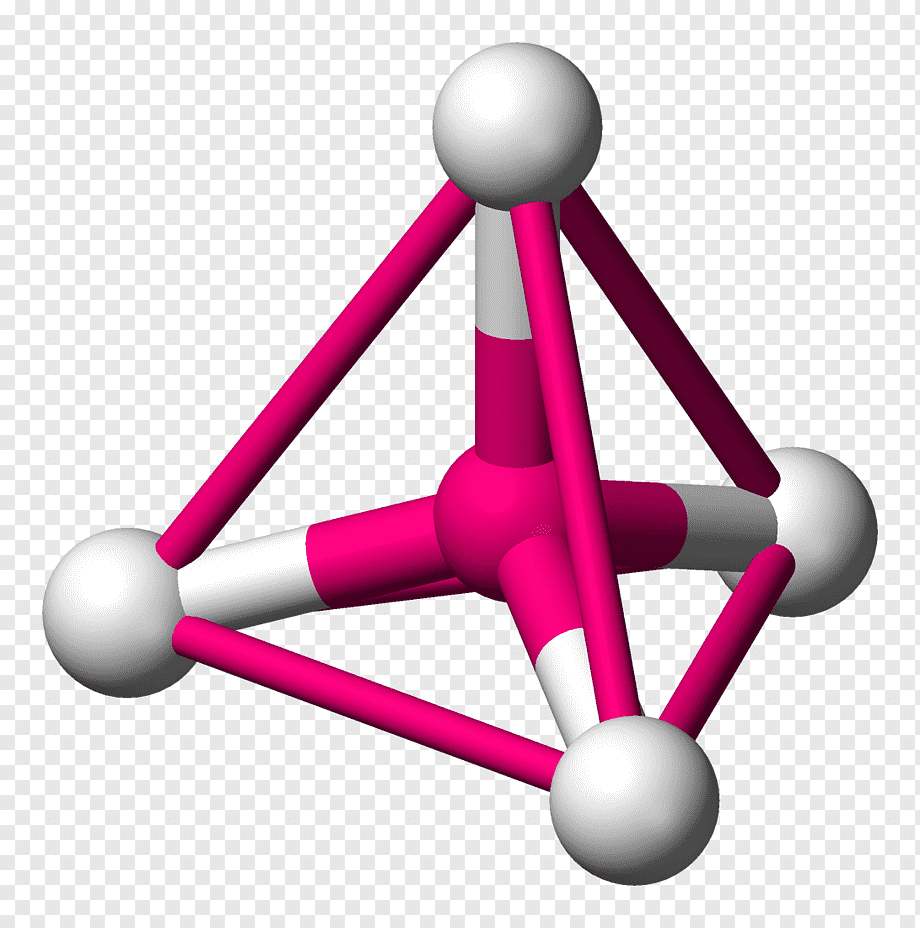
At the molecular level, water is structured by the hydrogen bonds that form between its molecules. These bonds arise from the attraction between the positively charged hydrogen atoms of one water molecule and the negatively charged oxygen atoms of another water molecule. This attraction causes the molecules to align in a specific orientation, with the oxygen atoms forming a network of interconnected tetrahedra, each surrounded by four neighboring water molecules.
This tetrahedral structure is responsible for many of the unique properties of water, such as its high surface tension and its ability to dissolve a wide range of substances. The structure also plays an important role in the way in which water interacts with other molecules, such as in the formation of ice crystals or the hydration of proteins.
In addition to its molecular structure, water is also structured on a larger scale by the presence of ions and other dissolved substances. For example, in the presence of dissolved salts or other ions, water molecules will arrange themselves around the charged particles, forming ordered structures known as hydration shells. These shells can influence the way in which the ions interact with each other, and can even affect the solubility of certain substances.
Similarly, in the presence of certain organic molecules, water can form organized structures known as clathrates. Clathrates are cage-like structures that form around the organic molecules, trapping them within a network of water molecules. These structures have been implicated in a number of biological processes, including the storage and transport of gases such as oxygen and methane.
Overall, the way in which nature structures water is a complex and fascinating topic that has important implications for a wide range of scientific fields, from biochemistry and materials science to environmental science and climate modeling. By understanding the principles that govern water’s structure and behavior, we can gain new insights into the fundamental workings of the natural world and develop new technologies and applications that harness the unique properties of this remarkable molecule.

The dodecahedron is a twelve-sided shape with pentagonal faces that has long been associated with spiritual growth, connection to higher realms, and the universe as a whole. In recent years, some people have also claimed that the dodecahedron has a unique effect on water, which is one of the most important substances on our planet.
According to these claims, placing a dodecahedron-shaped object near or in water can have a variety of beneficial effects. These effects are said to include:
1. Increased hydration: Some people believe that placing a dodecahedron near a glass or bottle of water can enhance its hydrating properties. This is because the dodecahedron is thought to help align the water molecules in a way that makes them more easily absorbed by the body.
2. Improved taste: Others claim that drinking water that has been in contact with a dodecahedron can taste better than plain water. This is said to be because the dodecahedron helps to remove impurities and energize the water, making it more pleasant to drink.
3. Enhanced healing properties: Some people also believe that placing a dodecahedron in a bath or soaking water can enhance its healing properties. This is because the dodecahedron is said to help increase the vibrational frequency of the water, which in turn can help to stimulate the body’s natural healing processes.
People continue to use dodecahedron-shaped objects in their water rituals and practices. Whether or not these objects have any real effect on water remains a subject of debate, but there is no doubt that the dodecahedron continues to fascinate and intrigue people with its unique shape and mystical associations.
 Mental Fitness